Start building a culture of growth today.
Join the hundreds of organisations embedding mentoring and empowering their teams with the Art of Mentoring.


21 November, 2019 | 2 mins read

Recently, I had the pleasure of hosting Cathy Burke in our webinar “Mentoring Women Under the Spotlight”. As CEO of The Hunger Project, Cathy spent much of her career working with women and men in villages in Africa and the east, supporting them to break the poverty cycle for themselves.
Much of her talk was about shifting “mindsets” – of the women in these villages and the men around them – in order to make sustainable change. She talked of the importance of bringing a “beginner’s mindset” to these problems.
When we train and support mentors to become masterful mentors, we focus very much on “who you are being” as opposed to just “what you are doing”. When mentors think about the kind of mentor they want to be (usually this equates to the kind of mentor they wish they’d had!), it helps them to bring compassion, empathy and a good dose of listening to the relationship.
But what we haven’t really talked about, is, what is the mentoring mindset that masterful mentors bring?
A mindset is a set of beliefs that guide and help us orient how to behave and make decisions. Mindsets frame how we see situations and suggest how we might react; they focus our attention on certain aspects of the environment, and they can become habitual.
In her book “Mindset”, Carol Dweck popularised a particular type of mindset with respect to intelligence, one that has gained widespread adoption in schools and workplaces. People who have a Growth Mindset believe that intelligence can be developed, and this leads to a desire to learn. People with a Fixed Mindset believe intelligence is static and have less passion for learning.
The best mentors we have observed have a mentoring mindset characterised by:
Curiosity – they believe that the mentee is the expert on their own lives and they are curious to learn about what makes them tick. They don’t make assumptions – they ask questions.
Humility – they believe they still have much to learn themselves and don’t put themselves on a pedestal.
Respect for difference – they believe that they can have a perfectly functional relationship with someone who is quite different in many ways, and that their difference does not in any way make them wrong or deficient.
Even the most experienced mentors can be blind to the mindsets that guide their way of behaving with a mentee. Perhaps they have never identified for themselves, who do I want to be as a mentor?
Next time you go into a mentoring session, prepare yourself by asking:
What kind of mentor do I challenge myself to be?
and
What mindset(s) am I bringing to the conversation today?
© 2019 Melissa Richardson
Image credit: Business photo created by yanalya – www.freepik.com
Download our introductory guide ‘The Ripple Effect’ to mentoring and learn the secrets to unleashing hidden value in your organisation
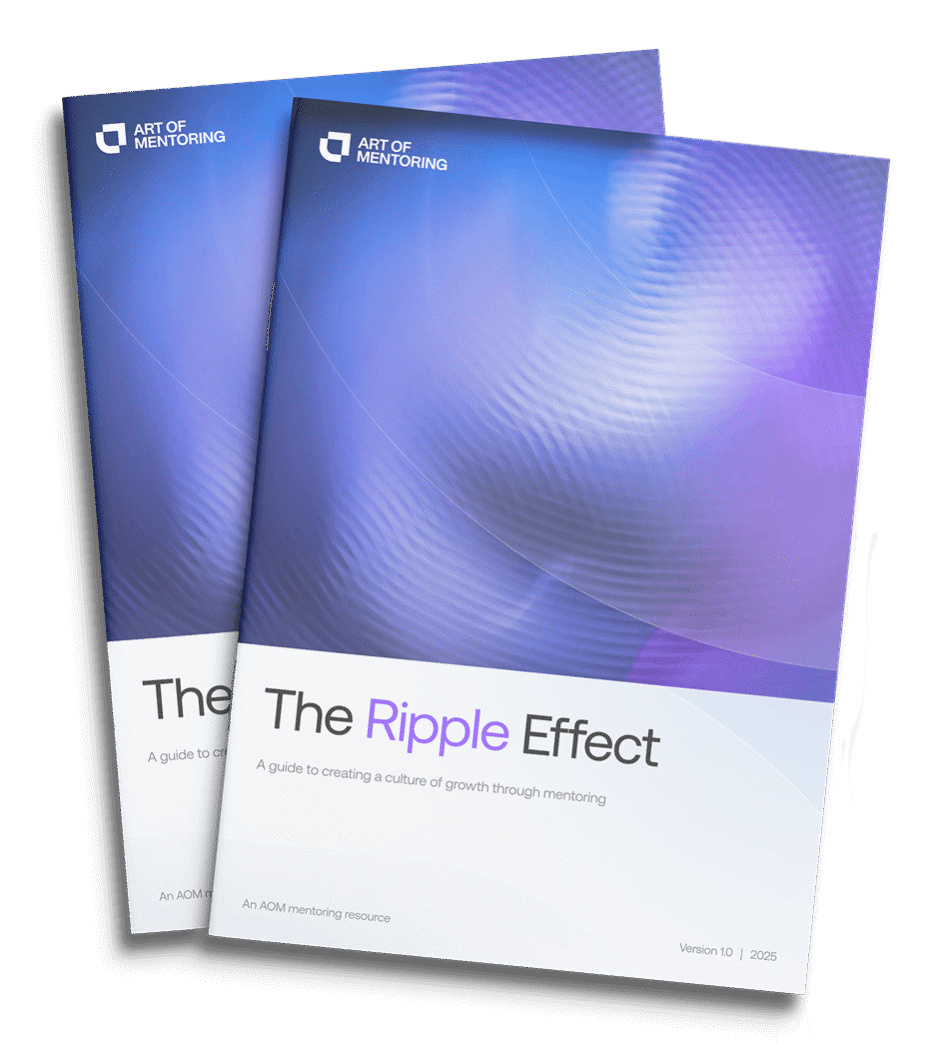
Compiled by our mentoring experts, this guide will introduce you to the secrets of unleashing hidden value in your organisation.
Art of Mentoring CRM needs the contact information you provide to us to contact you about our products and services. You may unsubscribe from these communications at any time. For information on how to unsubscribe, as well as our privacy practices and commitment to protecting your privacy, please review our Privacy Policy.
"*" indicates required fields
Join the hundreds of organisations embedding mentoring and empowering their teams with the Art of Mentoring.

By subscribing, you agree to Art of Mentoring contacting you about our products and services. You may unsubscribe from this communicaiton at any time using the ‘unsubscribe’ link at the bottom of our emails. The Privacy Policy, located on our website outlines our commitment to protecting your privacy.
"*" indicates required fields